By Stacey Turner, FDNP, CFT
Muscle loss after menopause happens because falling estrogen makes it harder for your body to build and keep muscle, and less movement and too little protein speed it up. It is common, but it is not a life sentence. Lifting heavier things, eating enough protein at each meal, and sleeping well can slow the loss and, for many women, rebuild strength.
If your jeans fit the same but your body feels softer, weaker, or slower to bounce back, this is likely part of the reason. You were told to “just live with it.” You do not have to.
Why does muscle loss speed up after menopause?
Estrogen helps your muscles repair and grow. When estrogen drops, that support drops too. Research reviews describe lower muscle mass and strength across the menopause transition, with the decline linked to falling estrogen (see sources below). Your body also becomes less responsive to the usual signals that tell muscle to grow.
That is why the same routine that worked at 40 can stop working at 55. Your body changed the rules.
The Muscle Keep Stack
I use a simple framework with clients called the Muscle Keep Stack. Muscle loss is rarely one thing. It is usually three layers stacked together:
- Hormones: lower estrogen means weaker muscle repair signals.
- Fuel: too little protein, or protein eaten all at one meal, gives muscle less to build with.
- Load: not enough resistance work tells your body it does not need the muscle.
Fix one layer and you help. Fix all three and you change the trend.
What does muscle loss feel like?
Muscle loss often feels like everyday things getting harder. Common signs include:
- Struggling to open jars or carry groceries
- Pushing up from a low chair or the floor takes effort
- Feeling shaky or unsteady on stairs
- Slower walking and quicker tiredness
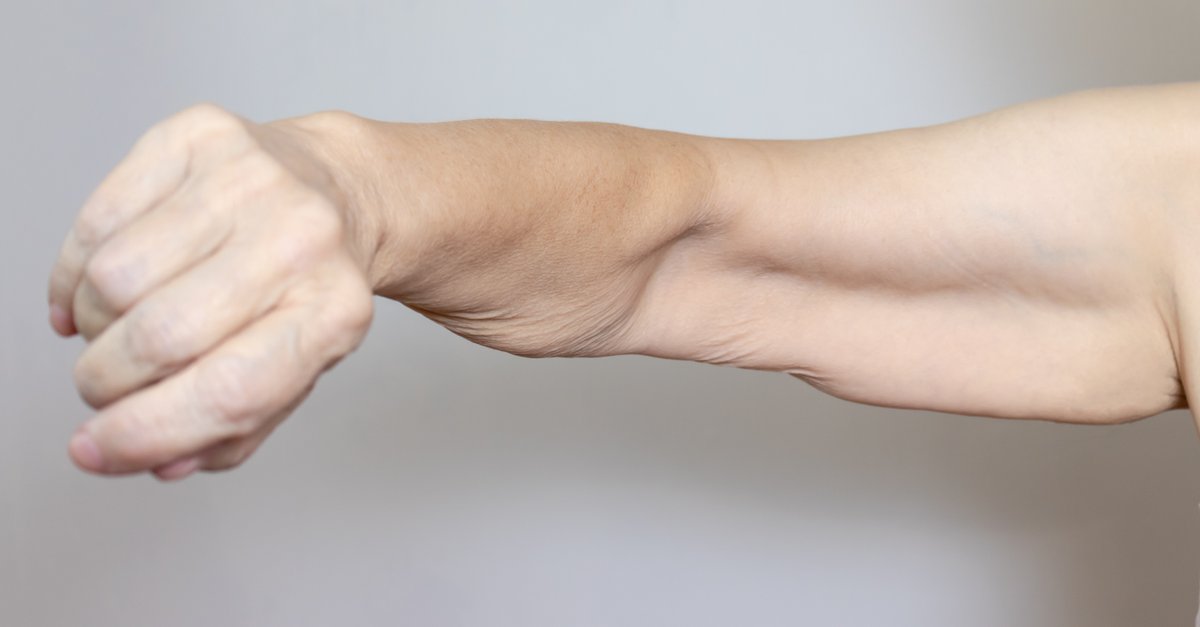
- A softer look to your arms and legs even when the scale does not move
The scale can hide this. You can weigh the same and still be losing muscle while gaining fat.
How do I rebuild muscle after menopause?
Resistance training is the foundation. Muscle responds to being challenged, even later in life. Start with two to three sessions a week using weights, bands, or your own body weight, and work up to loads that feel hard by the last few reps. Focus on big movements: squats, hinges, pushes, and pulls. If you are new to lifting, a trainer can teach you safe form. I cover this in more depth in my post on strength training in post-menopause.
How much protein do I need after menopause?
Protein gives your muscles the raw material to rebuild. Spread it across the day rather than loading it at dinner. Aim to include a solid protein source at each meal, such as eggs, fish, poultry, Greek yogurt, beans, or tofu. Your ideal daily amount depends on your size, kidney health, and activity, so ask your doctor or a qualified practitioner for a target that fits you.
Does hormone therapy help preserve muscle?
Because estrogen supports muscle, researchers have studied whether hormone therapy helps. The evidence is mixed and it is not prescribed for muscle alone. Hormone therapy is a personal decision that depends on your age, timing since your last period, and health history. Talk with a clinician who knows menopause care. I also wrote about how bones fit into this picture in bone density after menopause.
Do sleep and stress matter for muscle?
Yes. Muscle repairs while you rest. Poor sleep and high stress make recovery harder and can make you hungrier for quick carbs instead of protein. Protecting your sleep is part of protecting your muscle.
What about supplements like creatine?
Creatine is one option some women over 50 use alongside training. I shared my take in this post on creatine for women 50+. Check with your doctor first, especially if you have kidney concerns or take other medications.
When should I see a doctor about muscle loss?
See your doctor if you notice sudden weakness, weakness on one side, unexplained weight loss, muscle pain with dark urine, frequent falls, or weakness that keeps getting worse. These can point to causes other than menopause, like thyroid problems, vitamin D deficiency, or other conditions that need testing.
Frequently asked questions
Is muscle loss after menopause normal?
Some loss is common as estrogen falls, but how much you lose depends heavily on how you eat, move, and sleep. It is not something you have to accept.
Can you rebuild muscle after menopause?
Many women can build muscle and strength at any age with consistent resistance training and enough protein.
How often should I lift weights after menopause?
Two to three days a week is a solid starting point for most women, with rest days between sessions for the same muscle groups.
Is cardio enough to keep muscle?
Walking and cardio are great for your heart, but they do not replace lifting. Muscle needs resistance to hold on.
Still stuck after trying the basics?
Still stuck after trying the basics? Grab my free guide, Why Am I Still Stuck. It walks you through the most common reasons midlife women stay stuck with symptoms they have been told to live with, and what to do next.
Sources: Menopause, Female Sex Hormones, Skeletal Muscle Mass and Muscle Protein Turnover in Humans, PubMed Central review.
This article is for education only and is not medical advice. Talk with your doctor before starting a new exercise program, supplement, or hormone therapy.